|
Developed by
|
Supported by
|
|
ViiV Healthcare Originator
https://viivhealthcare.com/
United Kingdom ViiV Healthcare is a pharmaceutical company that specializes in the development of therapies for HIV infection. The company is headquartered in Brentford in the United Kingdom and was initially formed in November 2009 as a part of a joint venture between GlaxoSmithKline and Pfizer. |
|
Gilead Sciences, Inc. Originator
https://www.gilead.com/
United States Gilead Sciences, Inc. is a multinational biopharmaceutical company that develops and manufactures innovative medicines for life-threatening diseases, including anti-viral therapeutics for HIV/AIDS, Hepatitis B, Hepatitis C and Covid-19. Headquartered in Foster City, California, Gilead was originally founded in 1987 and is currently listed on both the S&P 500 and the NASDAQ Biotechnology Index. |

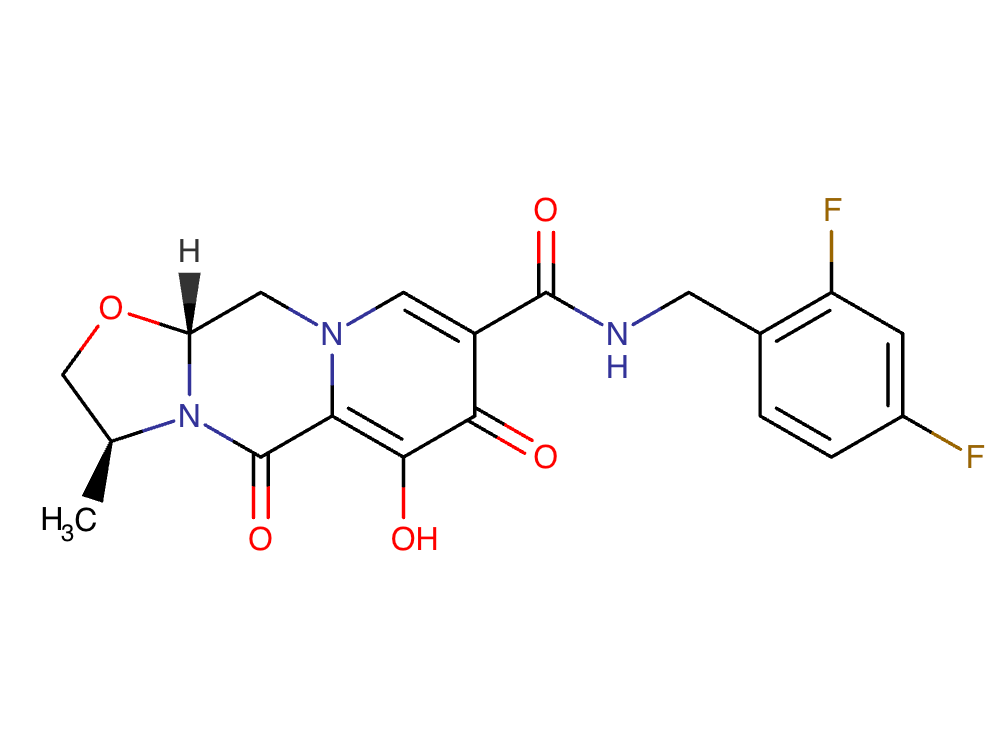
Cabotegravir Chemical Structure
Sourced From DrugBank

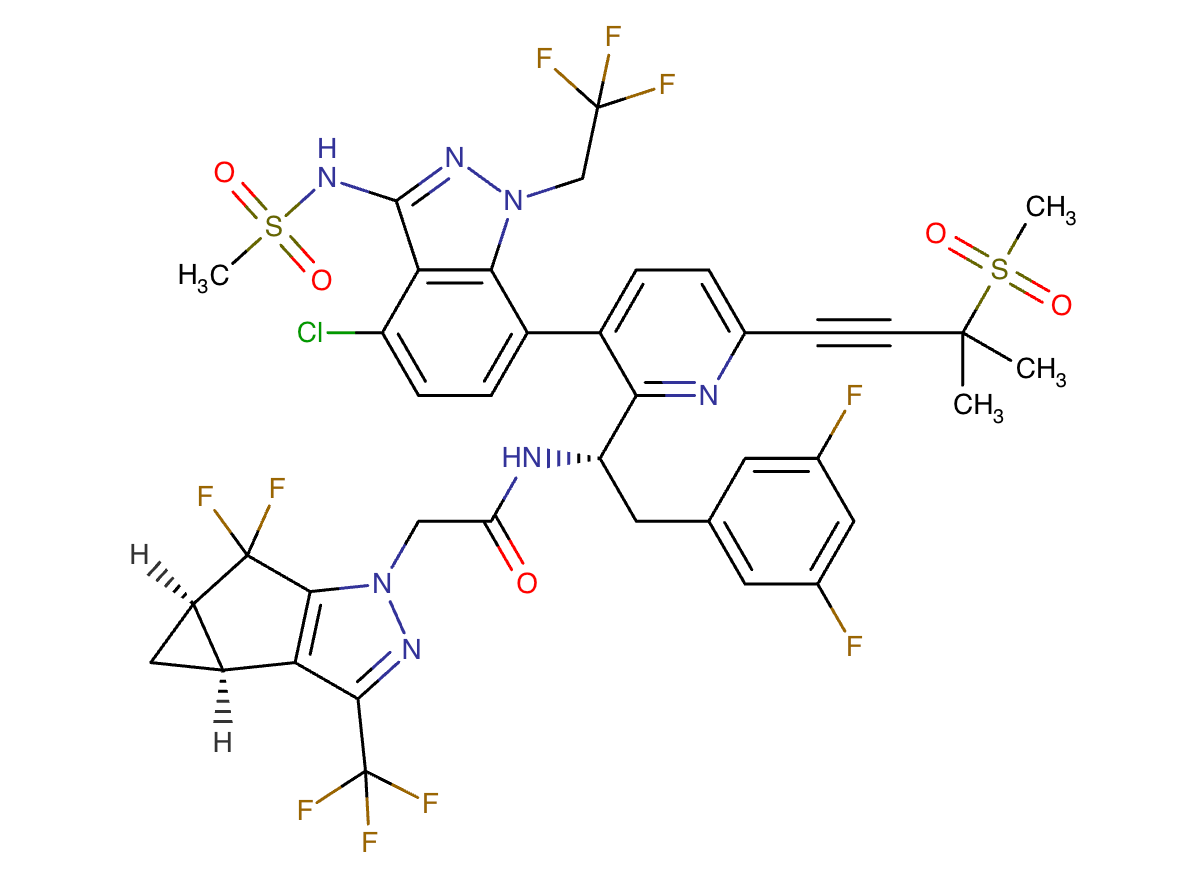
Lenacapavir Chemical Structure
Sourced From DrugBank

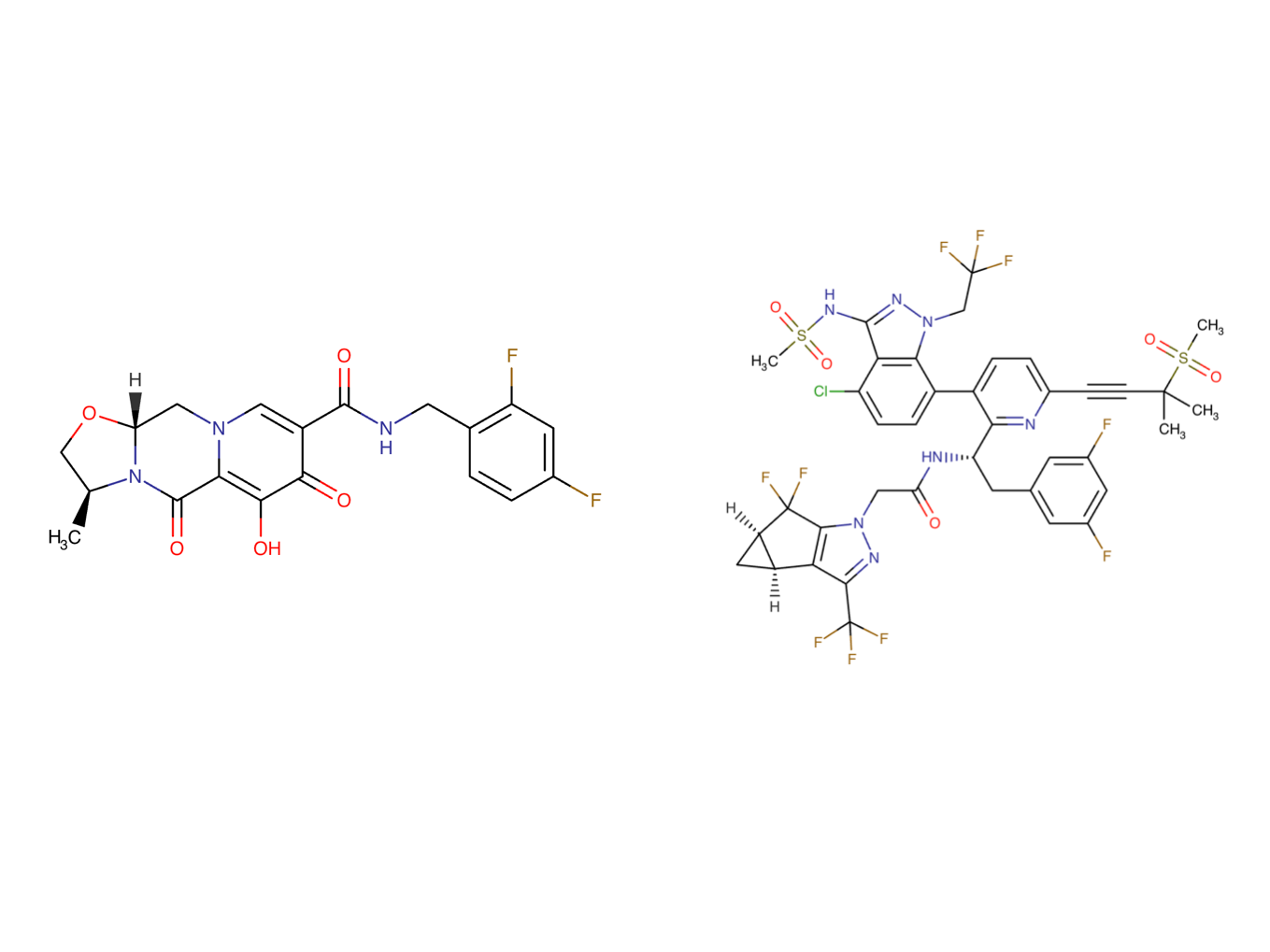
Cabotegravir and Lenacapavir Chemical Structure
Composite adapted from individual chemical structures sourced from DrugBank
Aqueous drug particle suspension, Aqueous solution
Subcutaneous, Intramuscular
Not provided
Not provided
Not provided
Not provided
Not provided
Not provided
Not provided
No delivery device
Cabotegravir is commercially manufactured by the innovator (ViiV Healthcare) and three generic manufacturers have received a licence through the Medicines Patent Pool to manufacture generic versions by 2026/2027. Lenacapavir is commercially manufactured by Gilead Sciences Inc.
Cabotegravir: Conventional wet-bead milling (ball mill), depyrogenated glass vials. Lenacapavir: Equipment: Stainless steel pharmaceutical reactors, glass-lined reactors, rotary evaporator (rotovap), flash chromatography columns, stainless steel autoclave, cooling bath, silica gel chromatography columns, vacuum distillation apparatus, simulated moving bed chromatography system, Chiralpak columns.
Cabotegravir is subject to a gamma-irradiation pre-sterilization step prior to a conventional wet-bead milling manufacturing procedure. The Cabotegravir milling process is initiated alongside pharmaceutical excipients (polyethylene glycol 3350, water for injection, polysorbate 20 and mannitol) for an overall 200nm drug particle size. Storage of injectable lenacapavir in borosilicate vials is contraindicated due to issues with chemical compatibility. Instead, it is recommended that vials are made from aluminosilicate glass.
Cabotegravir: PANalytical X’Pert PRO diffractometer equipped with a theta/theta coupled goniometer (or equivalent x-ray powder diffractor) to determine drug particle size, Mettler TGA/DSC 1 instrument for thermal analysis, HPLC to evaluate drug content, impurities and dissolution, HPLC UV-Vis Detector for drug identification. Lenacapavir: Proton nuclear magnetic resonance (1H NMR), High-performance liquid chromatography (HPLC), Ultra-Performance Liquid Chromatography (UPLC).
NCT06657885
https://clinicaltrials.gov/study/NCT06657885
Marketed
Withdrawn
Institut de Médecine et d'Epidémiologie Appliquée - Fondation Internationale Léon M'Ba
This study is a Phase II, prospective, single-arm, multicenter, non-randomized pilot study designed to evaluate the antiretroviral efficacy of lenacapavir in combination with cabotegravir injection over 48 weeks of follow-up in participants who meet the study inclusion criteria. Efficacy is defined as the absence of virologic failure at S48. Virologic success is defined as maintaining or achieving CV \< 50 copies/mL without interruption of long-acting dual therapy with cabotegravir/lenacapavir at the end of 48 weeks. The study will be conducted at several sites in France in adults 18 years of age and older. The study stopped early, before enrolling its first participant. Reason stated as of 14 Jan. 2026 is "No response regarding coverage of treatments by social security and the DGOS"
CAbotégravir LENacapavir DUal Long Acting
Intervention 1
Intervention 2
Intervention 3
Intervention 4
Intervention 5
Not provided
Anticipated Start Date
2025-01-15
Actual Start Date
Not provided
Anticipated Date of Last Follow-up
2026-01-12
Estimated Primary Completion Date
2026-07-15
Estimated Completion Date
2026-09-15
Actual Primary Completion Date
Not provided
Actual Completion Date
Not provided
Age Cohort
Genders
Accepts pregnant individuals
No
Accepts lactating individuals
No
Accepts healthy individuals
No
Inclusion: - Age ≥ 18 years - HIV-1 infection - Stable oral antiretroviral treatment for at least 6 months - Multi-treated patients who have received multiple lines of antiretroviral treatment - Undetectable patients with CV \< 50 copies/mL in the last 6 months (a single blip between 50 and 200 copies/mL in the last 6 months is allowed) and eligible to switch to the lenacapavir/cabotegravir strategy on the basis of a collegial decision by clinicians, virologists and pharmacologists following a multidisciplinary meeting due to the presence of resistance mutations, including to NNRTIs, oral drug intolerance or drug-drug interactions - Detectable, virologically uncontrolled HIV viral load ≥ 200 c/mL in the last 12 months who is eligible to switch to the lenacapavir/cabotegravir strategy
Interventional (clinical trial)
Not provided
Non-randomized
Single group assignment
Not provided
Open label
None (Open Label)
Treatment
| Type | Title | Content | Link |
|---|---|---|---|
| Link | Rapport d'activité IMEA | https://www.imea.fr/uploads/filemanager/PDF/rapport%20activite%202023.pdf |
NCT06970223
https://clinicaltrials.gov/study/NCT06970223
Phase I
Not provided
ViiV Healthcare
This study will evaluate the tolerability and acceptability of injection site reactions (ISRs) of two long-acting (LA) injectables. Additional characteristics of the ISRs will be investigated and described as well as safety outcomes.
A Study to Investigate if Long Acting Cabotegravir (CAB) and Lenacapavir (LEN) Injections Are Tolerable and Acceptable When Administered to Healthy Adults Without HIV
Intervention 1
Intervention 2
Not provided
Anticipated Start Date
Not provided
Actual Start Date
2025-04-22
Anticipated Date of Last Follow-up
2025-07-16
Estimated Primary Completion Date
2025-07-30
Estimated Completion Date
2026-07-10
Actual Primary Completion Date
Not provided
Actual Completion Date
Not provided
Age Cohort
Genders
Accepts pregnant individuals
Unspecified
Accepts lactating individuals
Unspecified
Accepts healthy individuals
Yes
Inclusion Criteria: Participants are eligible to be included in the study only if all the following criteria apply: 1. At the time of obtaining informed consent, 18 years of age. 2. Body weight 50 kg and BMI within the range 18 to 32 kg/m2 (inclusive). 3. Participants who are overtly healthy as determined by medical evaluation by a responsible and experienced physician, including medical history, physical examination, laboratory tests and cardiac monitoring. 4. A participant with a significant clinical abnormality or laboratory parameter(s) which is/are not specifically listed in the inclusion or exclusion criteria, outside the reference range for the population being studied may be included if the investigator determines and documents that the finding is unlikely to introduce additional
Not provided
Interventional (clinical trial)
57
Randomized
Cross-over assignment
Not provided
Open label
Not provided
Treatment
Not provided
Not provided
Phase III
Not yet recruiting
ACTG - NIH
In those failing TLD due to adherence difficulties without suspicion for resistance (superiority study). To be conducted in LMICs
Randomised study using injectable LEN+CAB vs. daily oral TLD with enhanced adherence counselling
Not provided
Not provided
Anticipated Start Date
2026-02-01
Actual Start Date
Not provided
Anticipated Date of Last Follow-up
Not provided
Estimated Primary Completion Date
Not provided
Estimated Completion Date
2028-02-01
Actual Primary Completion Date
Not provided
Actual Completion Date
Not provided
Age Cohort
Genders
Unspecified
Accepts pregnant individuals
Unspecified
Accepts lactating individuals
Unspecified
Accepts healthy individuals
Unspecified
Not provided
Not provided
Not provided
Not provided
Not provided
Not provided
Not provided
Not provided
Treatment
Not provided
Not provided
Phase III
Not yet recruiting
ACTG-NIH
Not provided
Not provided
Not provided
Not provided
Anticipated Start Date
Not provided
Actual Start Date
Not provided
Anticipated Date of Last Follow-up
Not provided
Estimated Primary Completion Date
Not provided
Estimated Completion Date
Not provided
Actual Primary Completion Date
Not provided
Actual Completion Date
Not provided
Age Cohort
Genders
Accepts pregnant individuals
Unspecified
Accepts lactating individuals
Unspecified
Accepts healthy individuals
Unspecified
Inclusion criteria: •NNRTI resistance •Vireamic •Experiencing adherence challenges with oral ART
Not provided
38
Non-randomized
Single group assignment
Not provided
Open label
Not provided
Treatment
Not provided
Not provided
Phase III
Not yet recruiting
EDCTP
Objectives: 1- Determine the non-inferiority of injectable LEN/CAB compared to daily oral TLD (standard of care) in 2 populations: - population 1: for the maintenance of first-line ART in adult PLHIV at risk of failure - population 2: in treatment naive PLHIV starting first-line ART (leading with TLD is discussed for the LEN/CAB arm) 2- describe the implementation context and fidelity of implementing injectable LA ART 3- understand pharmacokinetics 4- describe cost-effectiveness
Pragmatic Use of long-acting Antiretrovirals in Africa (POA)
Intervention 1
Intervention 2
Not provided
Anticipated Start Date
2026-03-01
Actual Start Date
Not provided
Anticipated Date of Last Follow-up
Not provided
Estimated Primary Completion Date
Not provided
Estimated Completion Date
2028-06-01
Actual Primary Completion Date
Not provided
Actual Completion Date
Not provided
Age Cohort
Genders
Accepts pregnant individuals
Yes
Accepts lactating individuals
Yes
Accepts healthy individuals
No
Age > 12 years
Interventional (clinical trial)
Not provided
Randomized
Parallel Assignment
Not provided
Open label
Not provided
Treatment
NCT07402044
https://clinicaltrials.gov/study/NCT07402044
Marketed
Not yet recruiting
Institut de Médecine et d'Epidémiologie Appliquée - Fondation Internationale Léon M'Ba
The main objective of this national study is to evaluate the virological success of long-acting antiretroviral therapy combining cabotegravir and lenacapavir. The study involves patients who have been receiving this treatment for one year or those for whom the physician decides to initiate it. It also aims to evaluate the tolerability of the treatment and changes in the participants' immunovirological profile during follow-up.
CABOTEGRAVIR/LENACAPAVIR DUAL LONG ACTING THERAPY (COHORT IMEA 074)
Intervention 1
Not provided
Anticipated Start Date
2026-02-15
Actual Start Date
Not provided
Anticipated Date of Last Follow-up
2026-02-03
Estimated Primary Completion Date
2028-02-15
Estimated Completion Date
2028-02-15
Actual Primary Completion Date
Not provided
Actual Completion Date
Not provided
Age Cohort
Genders
Accepts pregnant individuals
Unspecified
Accepts lactating individuals
Unspecified
Accepts healthy individuals
No
Not provided
Observational studies (incl. patient registries)
50
Non-randomized
Single group assignment
Not provided
Open label
Not provided
Treatment
No proprietary excipient used
No novel excipient or existing excipient used
No residual solvent used
There are either no relevant patents or these were not yet submitted to LAPaL
Gandhi M, Hill L, Grochowski J, Nelson A, Koss CA, Mayorga-Munoz F, Oskarsson J, Shiels M, Avery A, Bamford L, Baron J, Short WR, Hileman CO. Case Series of People With HIV on the Long-Acting Combination of Lenacapavir and Cabotegravir: Call for a Trial. Open Forum Infect Dis. 2024 Apr 16;11(4):ofae125. DOI: 10.1093/ofid/ofae125. PMID: 38628952; PMCID: PMC11020301.
Background
Injectable cabotegravir (CAB)/rilpivirine (RPV) is the only combination long-acting (LA) antiretroviral regimen approved for HIV. RPV may not be effective among individuals with non-nucleoside reverse transcriptase inhibitor (NNRTI) resistance, which has >10% prevalence in many countries. Lenacapavir (LEN) is an LA capsid inhibitor given every 6 months, but has not been studied in combination with other LA agents.
Methods
We assembled a case series from 4 US academic medical centers where patients with adherence challenges were prescribed LEN subcutaneously every 26 weeks/CAB (+/− RPV) intramuscularly every 4 or 8 weeks. Descriptive statistics, including viral load (VL) outcomes, were summarized.
Results
All patients (n = 34: 76% male; 24% cis/trans female; 41% Black; 38% Latino/a; median age [range], 47 [28–75] years; 29% and 71% on CAB every 4 or 8 weeks) reported challenges adhering to oral ART. The reasons for using LEN/CAB with or without RPV were documented or suspected NNRTI mutations (n = 21, 59%), integrase mutations (n = 5, 15%), high VL (n = 6, 18%), or continued viremia on CAB/RPV alone (n = 4, 12%). Injection site reactions on LA LEN were reported in 44% (32% grade I, 12% grade 2). All patients but 2 (32/34; 94%) were suppressed (VL <75 copies/mL) after starting LEN at a median (range) of 8 (4–16) weeks, with 16/34 (47%) suppressed at baseline.
Conclusions
In this case series of 34 patients on LEN/CAB, high rates of virologic suppression (94%) were observed. Reasons for using LEN/CAB included adherence challenges and underlying resistance, mostly to NNRTIs. These data support a clinical trial of LEN/CAB among persons with NNRTI resistance.
Phillips, A., Smith, J., Bansi-Matharu, L. et al. Potential impact and cost-effectiveness of long-acting injectable lenacapavir plus cabotegravir as HIV treatment in Africa. Nat Commun 16, 5760 (2025). https://doi.org/10.1038/s41467-025-60752-y
Although viral suppression is attained for most adults living with diagnosed HIV in East, Central, Southern and West Africa (ECSWA), challenges remain with sustained adherence to daily oral pill taking for some in the population. Here, we evaluate the potential effectiveness and cost-effectiveness of introduction of a new combination of long-acting injectable drugs of lenacapavir + cabotegravir to increase levels of sustained viral suppression. We find there is potential for a significant impact on HIV deaths and disability adjusted life years, including due to a decrease in mother to child transmission. If lenacapavir + cabotegravir can be sourced at a cost of around $ 80 per year or less, our analysis suggests there is potential for a policy to introduce it to be cost-effective in settings in ECSWA. Recognising the limitations of a modelling study, we suggest that implementation studies be conducted to confirm the viability of these approaches.
Long-acting cabotegravir plus lenacapavir as a fully injectable maintenance antiretroviral regimen in people with HIV with adherence issues. Glasgow 2024, Abstract P058. Romain Palich, Romain Manchon, Jérémy Zeggagh, Elisabete Gomes-Pires, Sophie Seang, Marc-Antoine Valantin, Marc Wirden, Marianne Burgard, Gilles Peytavin, Claudine Duvivier
Background: Long-acting injectable (LAI) antiretroviral therapy (ART) represents a breakthrough in managing HIV, providing an alternative to daily oral ART, especially for PLWH with adherence challenges. However, the use of LAI-cabotegravir (CAB) in association with LAI-rilpivirine (RPV) is contraindicated in PLWH with previous RPV-associated resistance mutations. LAI-lenacapavir (LEN) may help address barriers to treatment adherence among PLWH with RPV-resistant virus.
Methods: In this series, we report on eight pretreated virally suppressed (plasma viral load [pVL] <50 copies/ml) adult PLWH with RPV-resistant virus, who started LAI-ART with CAB plus LEN between January 2021 and August 2023, after approval by a multidisciplinary committee in two French hospitals. CAB and LEN were started on the same day: oral loading dose of LEN 600 mg on day 1 and day 2, and subcutaneous LEN 927 mg on day 1 and then every 6 months, in combination with intramuscular CAB 600 mg on day 1, week 4, and then every 8 weeks. Antiretroviral plasma concentrations (Cpl) were routinely determined by UPLC-MS/MS at each visit.
Results: Patients were four women and four men; median age (IQR 25–75) 56 years (44–58); duration from ART initiation 25 years (18–32); duration of viral suppression 32 months (7–59); four had CD4 counts below 200/mm3. All had difficulty accepting their illness and had adherence problems. All patients were monitored for at least 6 months, and three for 12 months, with a median of 3 pVL measurements per patient (range 1–4). No virological failures were observed during follow-up, as all pVL remained below 50 copies/ml. No serious adverse events or discontinuations were reported. All LEN trough Cpl were >15.5 ng/ml (4xPA-IC95 in MT-4 cells) and median (IQR 25–75) CAB Cpl was 1829 ng/ml (1483–2166) approximately 58 days after the last intramuscular injection. Despite the expected moderate injection site reactions, all patients expressed a preference for this treatment over oral ART.
Conclusions: CAB plus LEN maintained effective viral suppression with good tolerability. It holds great promise for vulnerable PLWH struggling with oral ART adherence, particularly when RPV is not an option anymore, and merits prospective evaluation in a large, randomized trial.
Capsid inhibition with lenacapavir in HIV-1 infection: real-life results from the French compassionate use program. IAS2025, Abstract No. EP0195; C. Delaugerre, S. Mafi, A. Zenuni, K. Amat, S. Seang, C. Duvivier, D. Chirio, J.-P. Viard, L. Hocqueloux, E. Estrabaud, G. Peytavin, J. Ghosn, C. Charpentier, R. Landman, L. Assoumou, K. Lacombe
BACKGROUND: Lenacapavir is a first-in-class capsid inhibitor that showed substantial antiviral activity in a phase 3 study among participants with multidrug-resistant HIV-1. We aimed to evaluate the efficacy and safety of lenacapavir with an optimised background regimen (OBR) received through the compassionate access in France.METHODS: Participants with previous multidrug failure were prospectively enrolled between January 1st, 2021 and December 31st, 2023. Following a 2-week oral lenacapavir, they received subcutaneous lenacapavir every W26 with an OBR. A retrospective efficacy analysis was performed with the primary end point as the percentage of participants with HIV-1 viral load (VL) < 50copies/ml at W26. Secondary endpoints were virological outcomes at end of follow up, emergence of lenacapavir resistance in case of virological failure and tolerance.RESULTS: Thirty-three participants (11/33 females) were analysed with a median (IQR) age of 56 (41-59) years. At lenacapavir initiation, median CD4 cells count was 330 (106-500) cells/µL with 11/27 (41%) participants having less than 200 cells per µL. VL was 2.54 (1.48-4.27) log10 copies/ml with 14/33 (42%) having VL below 50 copies/ml. OBR included mainly darunavir/r (n=13), dolutegravir (n=11), cabotegravir (n=10), fostemsavir (n=12), maraviroc (n=8), ibalizumab (n=7) and enfuvirtide (n=4). At W26 (W22 to W30), a VL < 50 copies/ml was reported in 66.7% (CI95% 48.2-82.0) of the participants with a mean increase in the CD4+ count of +92 cells/µL.HIV-1 capside sequencing was performed in 7 participants with virological failure and the Q67H mutation conferring resistance to lenacapavir was evidenced in one case. There were no grade 3 or 4 treatment-related adverse events (included two deaths). Injection site reactions were reported for 11/33 (33%) participants without treatment discontinuation.CONCLUSIONS: In this real-life cohort of highly treatment-experienced HIV-1 participants, lenacapavir in combination with an OBR resulted in a high level of virological suppression up to 26 weeks, even increasing throughout the end of follow-up.

No documents were uploaded
|
|
Collaborate for developmentConsider on a case by case basis, collaborating on developing long acting products with potential significant public health impact, especially for low- and middle-income countries (LMICs), utilising the referred to long-acting technology Not provided |
|
|
Share technical information for match-making assessmentProvide necessary technical information to a potential partner, under confidentiality agreement, to enable preliminary assessment of whether specific medicines of public health importance in LMICs might be compatible with the referred to long-acting technology to achieve a public health benefit Not provided |
|
|
Work with MPP to expand access in LMICsIn the event that a product using the referred to long-acting technology is successfully developed, the technology IP holder(s) will work with the Medicines Patent Pool towards putting in place the most appropriate strategy for timely and affordable access in low and middle-income countries, including through licensing Not provided |
Not provided