GS-US-536-5939
Identifier
NCT05729568
Link
https://clinicaltrials.gov/study/NCT05729568
Phase
Phase II
Status
Active, not recruiting
Sponsor
Gilead Sciences
More details
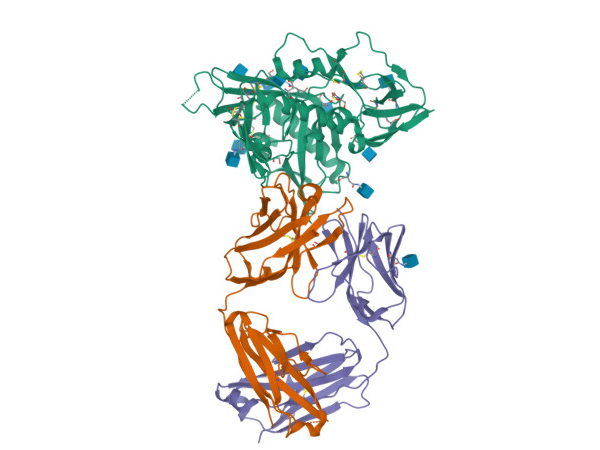
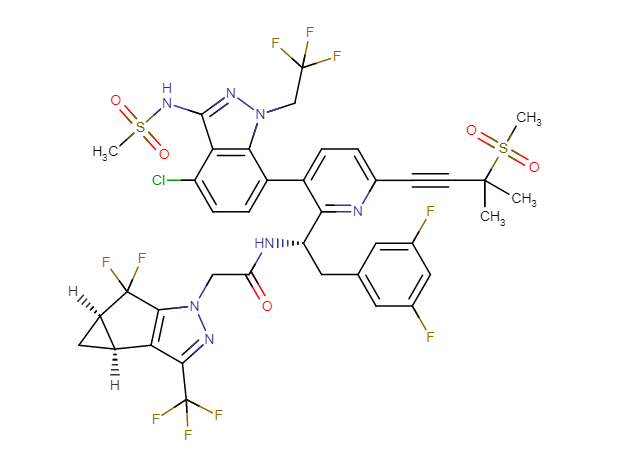
The goal of this study is to test the effectiveness, safety, and tolerability of the combination of broadly neutralizing antibodies (bNAbs) (teropavimab (TAB; GS-5423) and zinlirvimab (ZAB; GS-2872)) with lenacapavir (LEN) in virologically suppressed adults with HIV-1 infection.
The purpose of this study is to evaluate the efficacy of switching to a regimen of LEN, TAB and ZAB, versus continuing on baseline oral antiretroviral therapy (ART) as determined by the proportion of participants with human immunodeficiency virus-1 (HIV-1) ribonucleic acid (RNA) ≥ 50 copies/mL at Week 26.
Purpose
A Study of Teropavimab and Zinlirvimab in Combination With Capsid Inhibitor Lenacapavir in Virologically Suppressed Adults With HIV-1 Infection
Interventions
Intervention 1
Teropavimab
Intervention 2
Zinlirvimab
Intervention 3
Lenacapavir Tablet
Intervention 4
Lenacapavir Injection
Intervention 5
Antiretroviral Therapy
Countries
United States of America
Australia
Canada
Puerto Rico
Sites / Institutions
Not provided
Trials dates
Anticipated Start Date
Not provided
Actual Start Date
2023-05-15
Anticipated Date of Last Follow-up
2025-06-26
Estimated Primary Completion Date
Not provided
Estimated Completion Date
2029-12-01
Actual Primary Completion Date
2024-07-02
Actual Completion Date
Not provided
Studied populations
Age Cohort
Genders
Accepts pregnant individuals
Unspecified
Accepts lactating individuals
Unspecified
Accepts healthy individuals
No
Comments about the studied
populations
Key Inclusion Criteria:
* On stable oral antiretroviral therapy (ART) consisting of no more than 2 drug classes (with the exception of pharmacologic boosters cobicistat or ritonavir) for ≥ 1 year prior to screening visit 2. A change in ART regimen ≥ 28 days prior to screening visit 2 for reasons other than virologic failure (VF) (eg, tolerability, simplification, drug-drug interaction profile) is allowed.
* No clinically significant documented historical resistance to the current ART regimen with the exception of isolated nucleoside reverse transcriptase inhibitor mutations including M184V or ≤ 2 thymidine analog mutations (TAMs: M41L, D67N, K70R, L210W, T215Y, and/or K219Q).
* Plasma human immunodeficiency virus-1 (HIV-1) ribonucleic acid (RNA) \< 50 copies/mL at screening visit 2.
* Doc
Health status
Positive to
: HIV
Study type
Interventional (clinical trial)
Enrollment
83
Allocation
Randomized
Intervention model
Parallel Assignment
Intervention
model description
Not provided
Masking
Open label
Masking description
Not provided
Frequency of administration
Every 6 months
Studied LA-formulation(s)
Injectable
Studied route(s) of administration
Subcutaneous
Intravenous
Use case
Treatment
Key resources
GS-US-536-5816
Identifier
NCT04811040
Link
https://clinicaltrials.gov/study/NCT04811040
Phase
Phase I
Status
Completed
Sponsor
Gilead Sciences
More details
The primary objective of this study is to evaluate the safety and tolerability of a combination of the broadly neutralizing antibodies (bNAbs) teropavimab (formerly GS-5423) and zinlirvimab (formerly GS-2872) in combination with the HIV capsid inhibitor lenacapavir (LEN).
Purpose
Study to Evaluate the Safety and Efficacy of Teropavimab and Zinlirvimab in Combination With Lenacapavir in Virologically Suppressed Adults With HIV-1 Infection
Interventions
Not provided
Countries
Not provided
Sites / Institutions
Not provided
Trials dates
Anticipated Start Date
Not provided
Actual Start Date
2021-04-08
Anticipated Date of Last Follow-up
2024-12-19
Estimated Primary Completion Date
Not provided
Estimated Completion Date
Not provided
Actual Primary Completion Date
2022-06-09
Actual Completion Date
2023-10-26
Studied populations
Age Cohort
Genders
Accepts pregnant individuals
Unspecified
Accepts lactating individuals
Unspecified
Accepts healthy individuals
No
Comments about the studied
populations
Key Inclusion Criteria:
* On first-line antiretroviral therapy (ART) for ≥ 2 years prior to screening. A change in ART regimen ≥ 28 days prior to screening for reasons other than virologic failure (VF) (eg, tolerability, simplification, drug-drug interaction profile) is allowed
* No documented historical resistance to the current ART regimen
* Plasma HIV-1 RNA \< 50 copies/mL at screening
* Documented plasma HIV-1 RNA \< 50 copies/mL for ≥ 18 months preceding the screening visit (or undetectable HIV-1 RNA level according to the local assay being used if the limit of detection is ≥ 50 copies/mL). Unconfirmed virologic elevations of ≥ 50 copies/mL (transient detectable viremia, or "blip") prior to screening are acceptable.
* Proviral phenotypic sensitivity to both teropavimab and zinlirvima
Health status
Not provided
Study type
Interventional (clinical trial)
Enrollment
32
Allocation
Randomized
Intervention model
Parallel Assignment
Intervention
model description
Not provided
Masking
Double-blind masking
Masking description
Not provided
Frequency of administration
Not provided
Studied LA-formulation(s)
Not provided
Studied route(s) of administration
Not provided
Use case
Not provided
Key resources
Not provided